Upcoming events
5
April
Sunday
11 bis 18 Uhr
Exhibition
Industrial towers of the former VEB Elektrokohle Berlin
10 February to 5 April 2026:
Not far from the Dong-Xuan Centre, two industrial towers rise up into the sky – relics of Berlin’s long-gone industrial history.
The Siemens-Plania factory was established at this site in 1899 and produced carbon components for motors, lamps, furnaces and microphones.
During the Second World War, forced labourers were deployed here in production facilities vital to the war effort.
In 1954, the company was renamed VEB Elektrokohle Berlin. A wide variety of events took place in its cultural centre, including a famous concert by the band Einstürzende Neubauten in 1989.
All that remains are the two “sister towers”, whose appearance is reminiscent of medieval family towers in northern Italian towns. One tower was renovated according to plans by the Berlin architect Arno Brandlhuber and converted into a workplace. The Berlin photographer Marlene Gawrisch was able to take photos on several occasions during the renovation: www.ausblenden.de
30
April
Thursday
6:30 pm
Opening
Exhibition opening: Colonial Biographies
30
April
Thursday
6:30 pm
Opening
“Silent opening”/Extension of the exhibition “Street Names”
12
Mai
Tuesday
6:30 pm
Book launch
Vorstellung der Broschüre „Queer Lichtenberg“
11
Juni
Thursday
6:30 pm
Book launch
Book launch by Andrea Rottmann: “Threatened Desire.” “Queer Life in Divided Berlin, 1945–1970”
1
Juni
Monday
5 pm
Guided tour
“Marginalised Groups and Rummelsburg”
The 12 Berlin district museums are once again holding a Long Week of Neighborhood History this year under the motto “Street History(s)” (May 30 to June 7, 2026). The district of Lichtenberg is participating with 3 guided tours and walks.
Guided tour by Thomas Irmer: “Marginalised Groups and Rummelsburg”,
Meeting point: Hauptstraße 8
The Rummelsburg Workhouse was built on the outskirts of Berlin. People from the very margins of society – the homeless, beggars and others – were to be taught to lead a ‘decent life’ here. Who were these ‘marginalised groups’? Why a workhouse? These and other questions, as well as the history of the prison during the GDR era, are the focus of the guided tour.
No booking is required.
Contact: Thomas Irmer, info@thomas-irmer.de
5
Juni
Friday
5.30 pm
Guided tour
“Street names tell a story – a walking tour of the Prinzenviertel in Karlshorst”
The 12 Berlin district museums are once again holding a Long Week of Neighborhood History this year under the motto “Street History(s)” (May 30 to June 7, 2026). The district of Lichtenberg is participating with 3 guided tours and walks.
Friday, 5 June, 5.30 pm
Meeting point: Odesaplatz
Street names are more than just a means of navigation – they tell stories of power, upheaval and remembrance. This walking tour of the Prinzenviertel in Karlshorst follows these traces: from the imperial era, through Nazi persecution and the war, to the Soviet presence and today’s culture of remembrance.
No booking is required.
Contact: Wolfgang Ragwitz, ragwitz@kultur-in-lichtenberg.de
6
Juni
Saturday
2 am
Guided tour
“A town within a town – the Fennpfuhl residential area in Lichtenberg”
The 12 Berlin district museums are once again holding a Long Week of Neighborhood History this year under the motto “Street History(s)” (May 30 to June 7, 2026). The district of Lichtenberg is participating with 3 guided tours and walks.
Saturday, 6 June 2026, 2 pm
Meeting point: Storkower Straße S-Bahn station, at the bottom of the ‘Langer Jammer’ footbridge on the Lichtenberg side
With its traffic-calmed streets, good transport links and green spaces, the Fennpfuhl residential area served as a model for later large-scale housing estates built as part of the GDR’s industrial housing programme. Dr Thomas Thiele, former director of the Lichtenberg Museum, explains the significance of the residential area and its history, using selected locations as examples.
No registration is required.
Contact: Dr. Thomas Thiele thiele@museum-lichtenberg.de
27
August
Thursday
6:30 pm
Opening of the Exhibition
“Lichtenberg Queer”
Opening the Exhibition „Lichtenberg Queer“
4
September
Friday
open
Opening of the Exhibition
Opening of the Art-Exhibition “Lichtenberg Queer“
Projects
Research projects, hands-on activities & more
In addition to exhibitions and events held at the museum and in the local area, the Lichtenberg Museum is also involved in various projects and initiatives.
Call for Contributions We are looking for mementos.
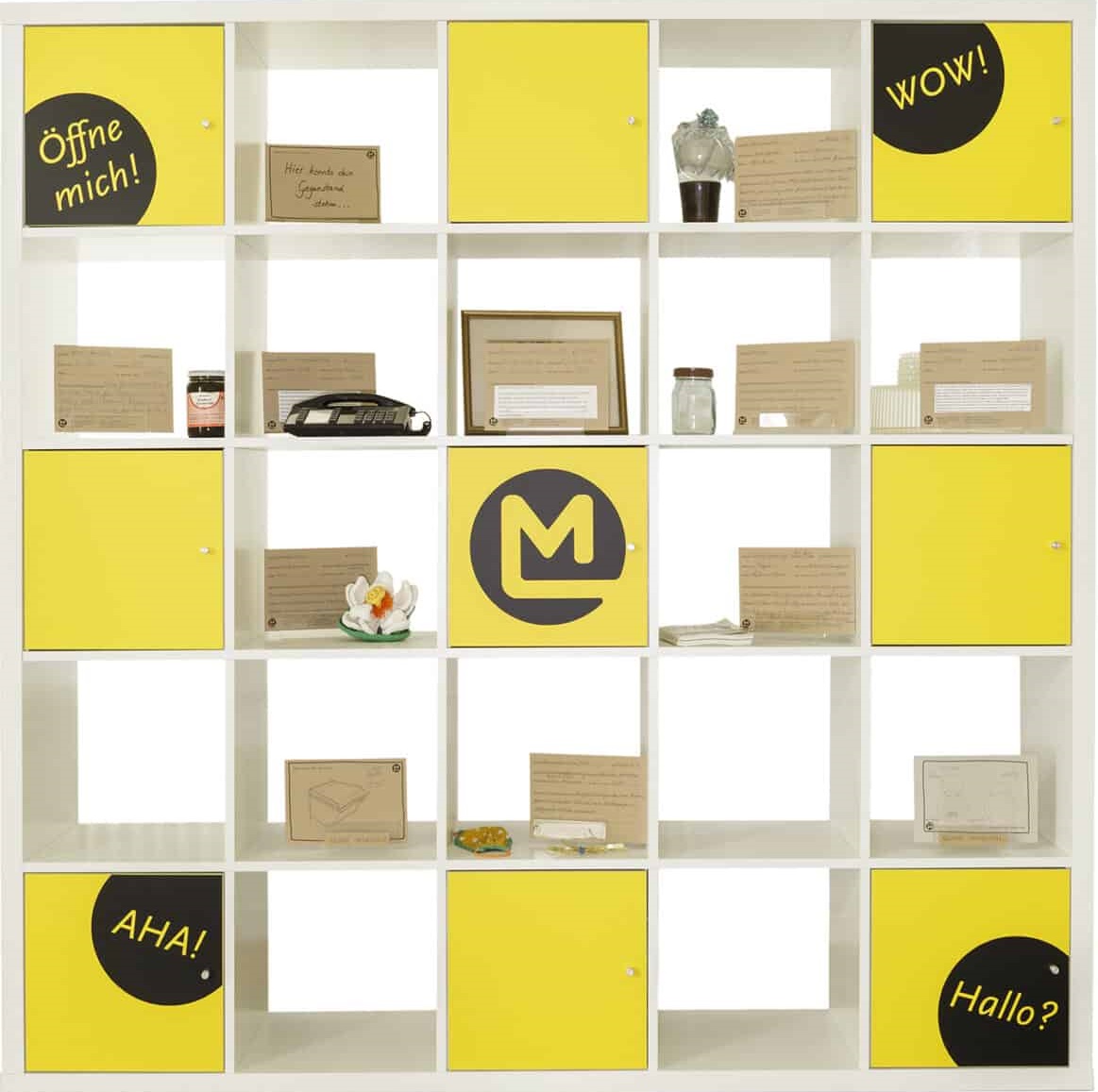
You are part of Lichtenberg’s history.
Which item from your collection would you like to lend to the Lichtenberg Museum, along with a memory associated with it? We are looking for items from your personal history, family history or general contemporary history – everyday, personal or historical objects. The associated memories and details can be shared in writing or verbally at the Lichtenberg Museum. Once handed over, the item will be on display in the museum. It must not exceed the dimensions of 30×30×30 cm.
Contact:
Archiv- und Sammlungsleiter
Dr. Dirk Moldt
030 57797388 18
We are looking for eyewitnesses!
We are seeking your help for the research project “Queer Lichtenberg – yesterday and today”
We are interested in your experiences and impressions from the period before 1989, through the years of transition, right up to the present day. What was it like in Lichtenberg? How did you get on? Were there any meeting places? Did you feel safe? Where did you go dancing and partying? We are interested in stories of everyday life with its ups and downs, courage and hardships, loneliness and supportive friendships. We would be delighted if you would like to share your personal story. So that it is not forgotten.
It has been, and continues to be, largely overlooked by the public that Lichtenberg has been, and remains, a place where many queer people live and work. ‘Queer’ is the umbrella term for various non-heterosexual orientations and genders. With the aim of making this way of life visible in the urban space, Sabine Pöhl, the Diversity and Queer Officer for the Lichtenberg district, launched a research project in cooperation with the Museum Lichtenberg to explore queer social movement history through the stories of key figures.
Contact:
Archiv- und Sammlungsleiter
Dr. Dirk Moldt
030 57797388 18
Moldt@Kultur-in-Lichtenberg.de
Colonial Traces in Lichtenberg
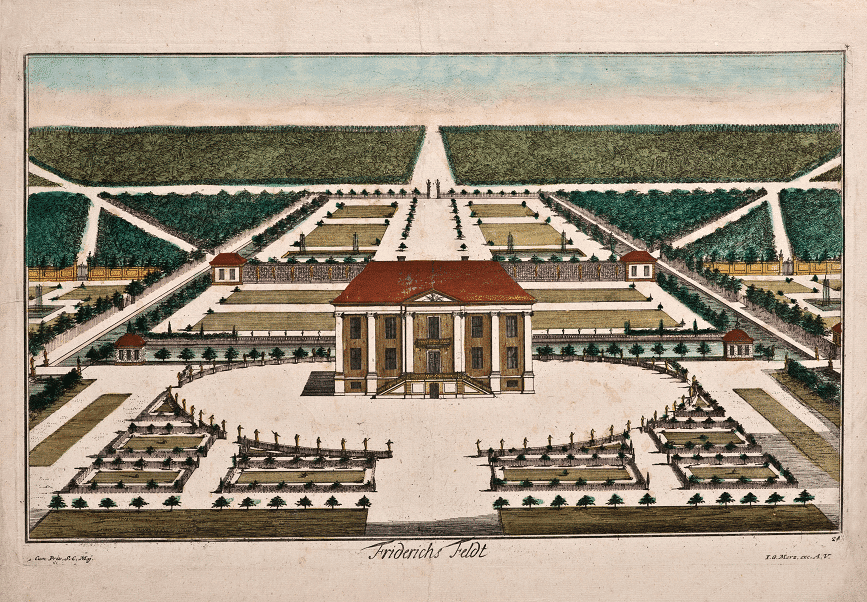
Museum Lichtenberg is on the trail of colonialism in Lichtenberg. What we’ve found so far sheds some light on the district’s colonial history, for example, Benjamin Raule and Schloss Friedrichsfelde, the plans to build a neighborhood in Karlshorst glorifying German colonialism and the naming and renaming of several streets in Karlhorst’s so-called Buren neighborhood (named after Dutch colonialists).
Thanks to funding from Berlin’s Bezirkskulturfonds (district cultural fund), the museum can continue the research in 2024. The project is funded by the State of Berlin’s programme for the preservation and development of cultural infrastructure in the districts (District Culture Fund).
Find out more about the project “Confronting Colonialism: Decentralised Perspectives on Berlin’s Urban History” at kolonialismus-begegnen.de.
What does Lichtenberg have to do with German colonialism? At first glance, there do not appear to be any buildings in the borough that bear witness to colonial ties. A new publication now presents research findings that nevertheless reveal traces of colonialism in the borough.
The new publication “Colonial Traces in Lichtenberg”, published by the Lichtenberg Museum, presents the latest findings from a wide range of research. This exploration of regional history paints a multi-layered… Further projects will follow